Holocaust Survivor Speakers

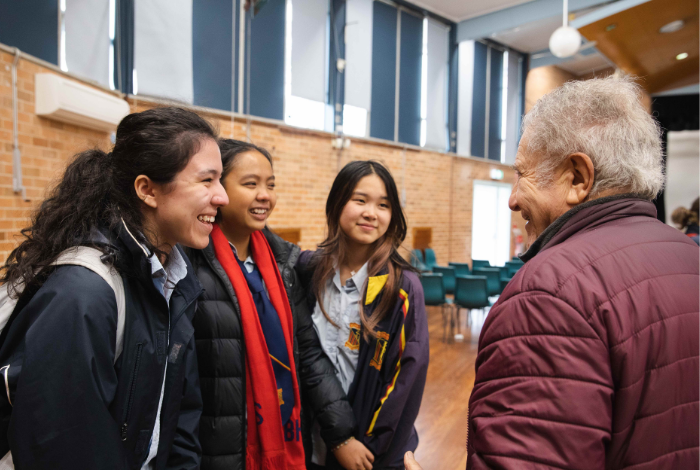
At the heart of our Upstander Programs are the remarkable Holocaust Survivor Speakers whose powerful testimony make our programs a truly unique educational experience.
Living History, Lasting Impact
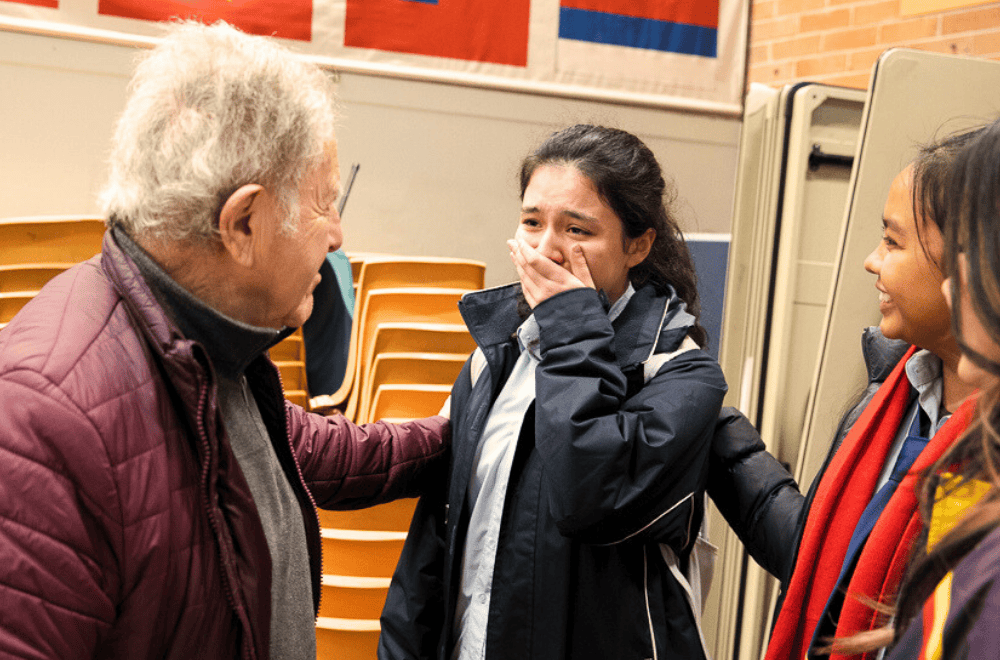
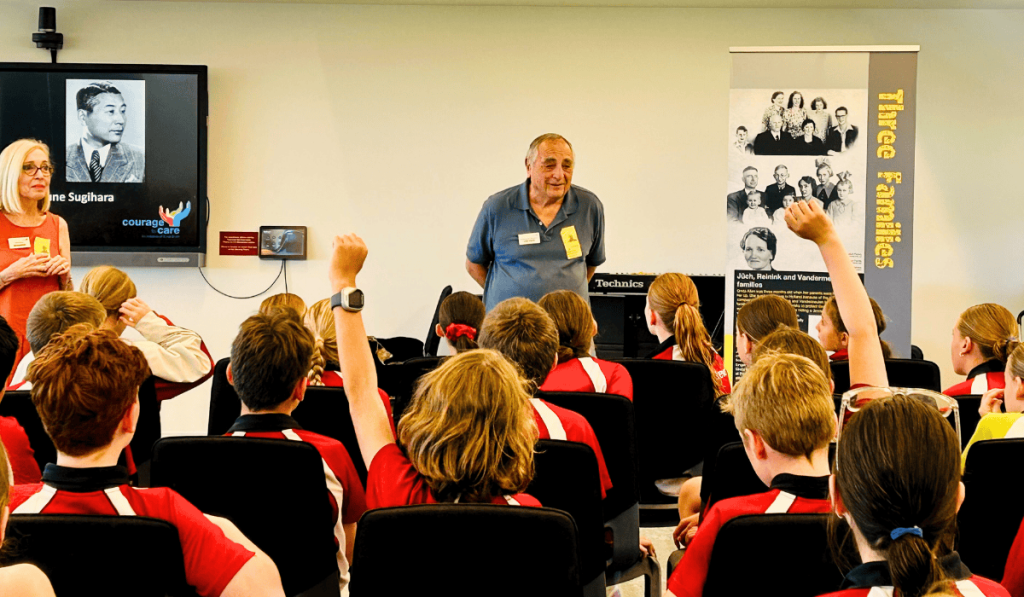
For many participants, the most unforgettable part of our Upstander Programs is the rare opportunity to sit face-to-face with a Holocaust Survivor and to hear their story of resilience and survival firsthand.
The voices of Survivors in our programs help carry history into the present – reminding us that having the courage to care is not an abstract idea, but a reality that is lived and felt.
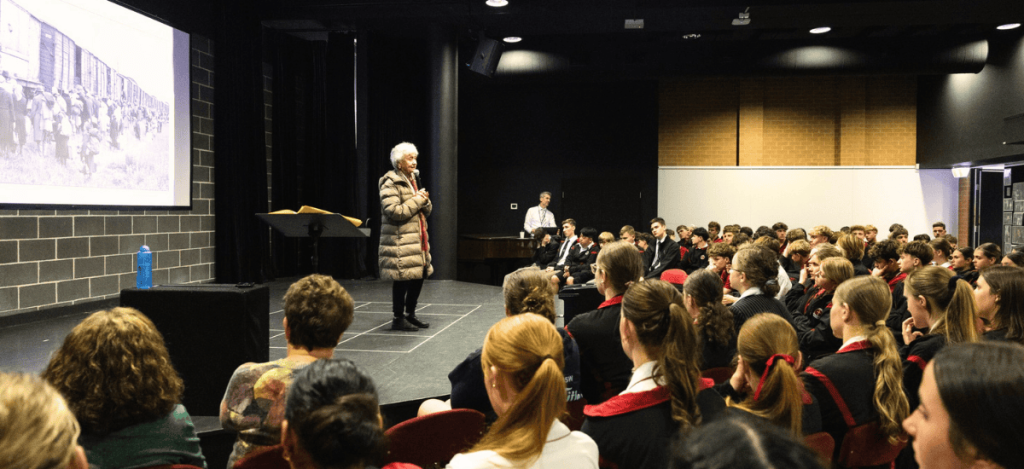
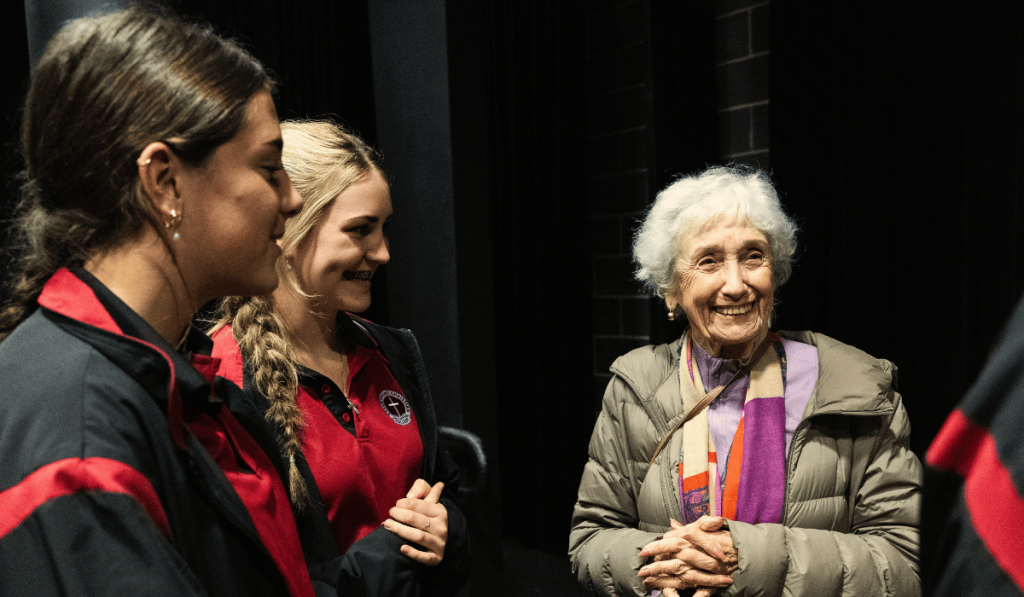
By generously sharing their stories, our Survivor Speakers create a space where young people can truly absorb this message and recognise the powerful possibility of their own positive impact.
Their presence and testimony helps form a central lesson in our programs: that small acts of kindness and Upstanding ripple outward, and the choices of individuals can change lives — and indeed even the world — for the better.
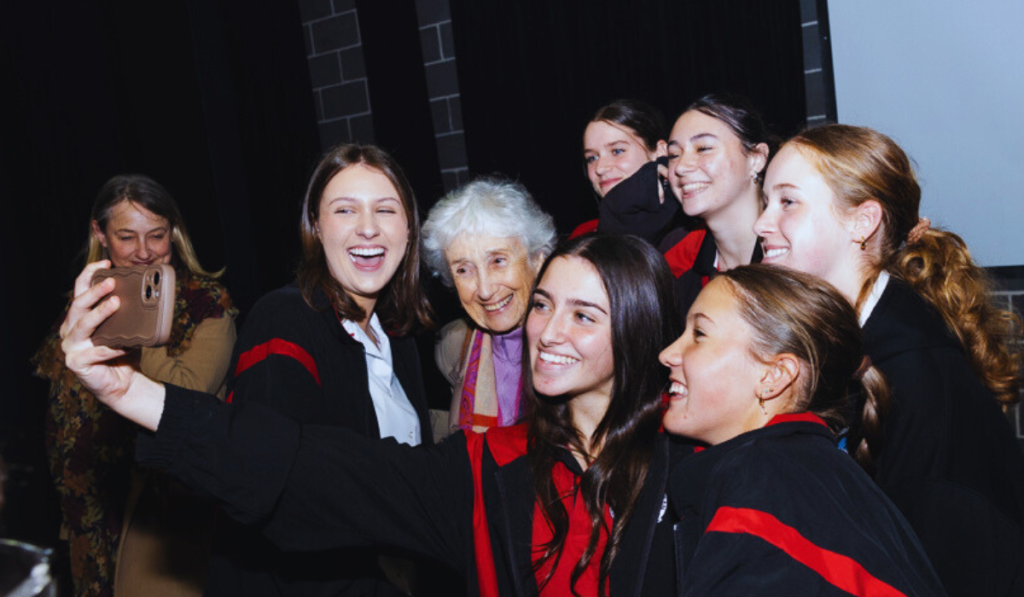
For many, the most unforgettable part of experiencing a Courage to Care program is the rare opportunity to meet a Holocaust Survivor and to hear their story firsthand.
Survivor Speakers
Over the years, we have had the great privilege of working with and alongside many Holocaust Survivors in delivering our regional exhibitions and Upstander Programs. Many of them played a pivotal part in helping establish Courage to Care NSW in our early days as an organisation – and we are immensely grateful to those Survivors who continue to generously give their time to take part in our programs.
Their commitment, lived experience and wisdom is at the very heart of how we Create the Next Generation of Upstanders.
Read below to view the story of some of the remarkable Survivors who continue to take part in our Upstander Programs.
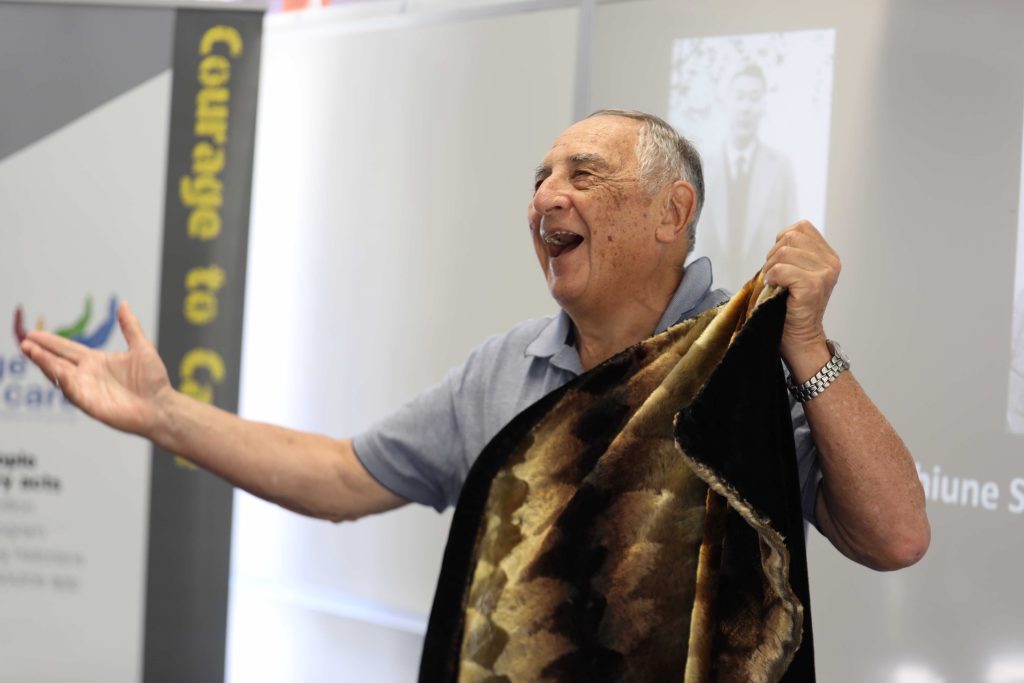
Peter Baruch
“I was born in 1938 in Poland’s second largest city, Łódź.”
Read Peter's story
“Pre-war Lodz had a Jewish population exceeding 300,000. Life was very comfortable for us as a middle-class Jewish family. I was an only child, but I had a very large wider family at that time. Most of my family, including my Father, were involved in the textile industry.
Then came 1939 and everything changed as Nazi Germany conquered Poland. Polish Jews were faced with a dilemma – to stay or to go. Most elected to remain and sit it out – including my wider family. They perished in the Holocaust.
My parents, for reasons unknown to me, decided to leave everything and go. We survived. Through my Father’s business associations, we were fortunate to have an introduction to a man named Chiuni Sugihara. We were told he was prepared to issue transit visas to Japan – far from the turmoil of Europe.
So we headed for Kaunas in Lithuania where he was stationed as a diplomat and obtained our transit visas. Our journey took us to Moscow, then the Trans-Siberian Railroad to Vladivostok, before a cattle boat across the Sea of Japan to the port of Tsuruga. Always in very primitive and dangerous conditions.
We spent 6 months in the Commercial Port City of Kobe, Japan where I had my 3rd Birthday. Then we received visas to New Zealand where we made our home. We arrived in Wellington in October 1941. The journey had taken 2 years.
I grew up there – as did my 3 older children. We had a successful business and prospered. Both my parents died there when I was still very young. We moved to Australia in 1990 and settled on the Gold Coast. I and my family live happily in this wonderful tolerant country, Australia, all because of the compassion of this one man – Chiuni Sugihara. He was an Upstander.”
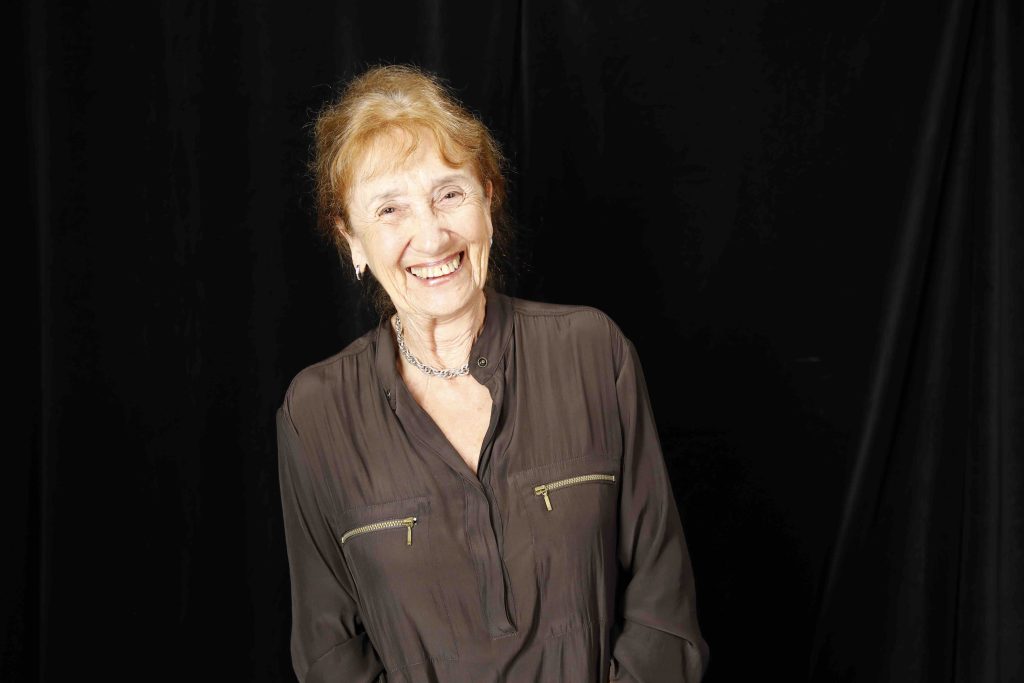
Ana Deleon
“I was born in 1935 in a northern province of the former Yugoslavia.”
Read Ana's story
“I enjoyed a normal, happy childhood until 1941 when the Hungarian and German forces occupied the area. Two years later we were forced to move to the Jewish ghetto and spend the next few months living in cramped quarters within the ghetto.
In 1944, we were sent to Austria to do forced agricultural work and then sent to the German concentration camp Bergen-Belsen, where we spent seven months. Several of my family members perished in the camp but amazingly my mother, her parents and I survived. A couple of years later my father was released from the labour camps and was reunited with us.
After the war I resumed my education and continued on to university where I completed a degree in chemical engineering. In 1971 my husband, children and I immigrated to Australia to start our new life in Sydney. I worked as an industrial chemist and later started a consultancy in the pharmaceutical industry as well as a skin care line.
Through Courage to Care, I find myself reflecting on one of the most painful experiences in my life with the hope that raising awareness of these events among our youth will ensure that they, and future generations, will never know such times.”
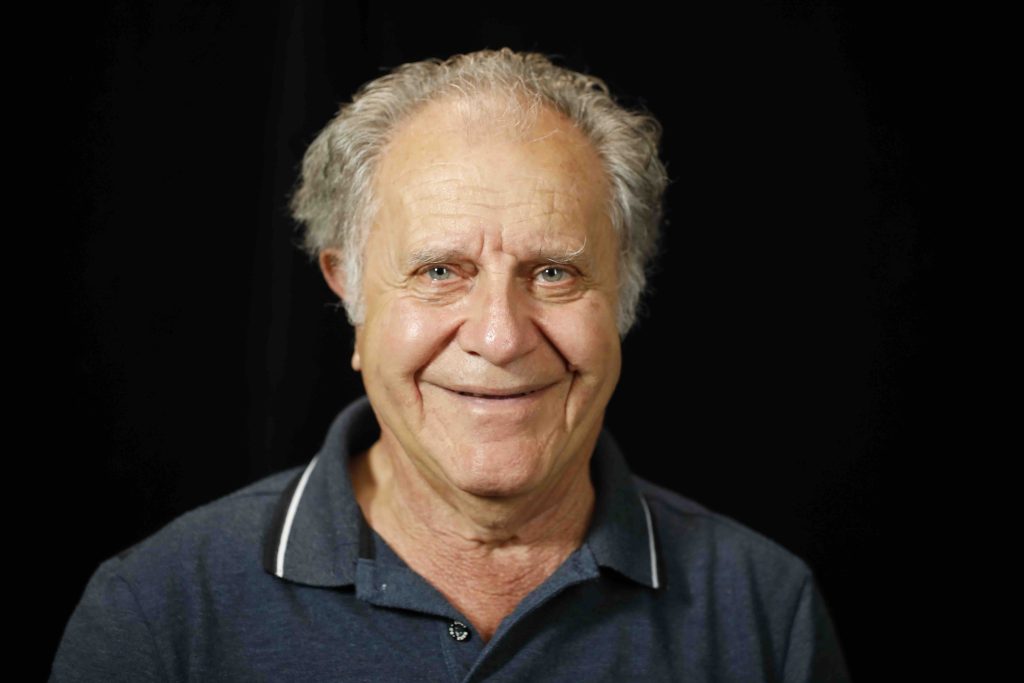
Ernie Friedlander OAM
“I was born in 1935 in Vienna, Austria.”
Read Ernie's story
“My parents and I left Vienna in 1938 as a result of the Anschluss – when Nazi Germany annexed and took control of Austria. We traveled to Hungary, where my father was born.
Of my family, only my mother and I survived the Holocaust.
This was due to the humanity of a German soldier, who looked the other way when we escaped while being transported to a Concentration camp.
This contributed in a major way to forming my belief that we should not be prejudiced toward or generalize about people – but consider each one on their merit, regardless of colour, race or religion.
I arrived in Australia in December 1950 with my mother and started working at age 15 in a knitting factory, while at the same time going to night school to learn English for 6 months, before spending another 2 years taking night courses in textiles and machinery.
I married in 1962 and have three children and four grandchildren, all born in Sydney. I am grateful for the fair go that Australia has offered.
I now dedicate myself to showing my appreciation by being involved in projects that curtail racism and instead promote social harmony and intercultural understanding.
I was involved in the formation of Courage to Care from the beginning in 1999 – contributing and assisting wherever possible.
For my efforts, I was awarded an Order of Australia medal (OAM) in 2006.”
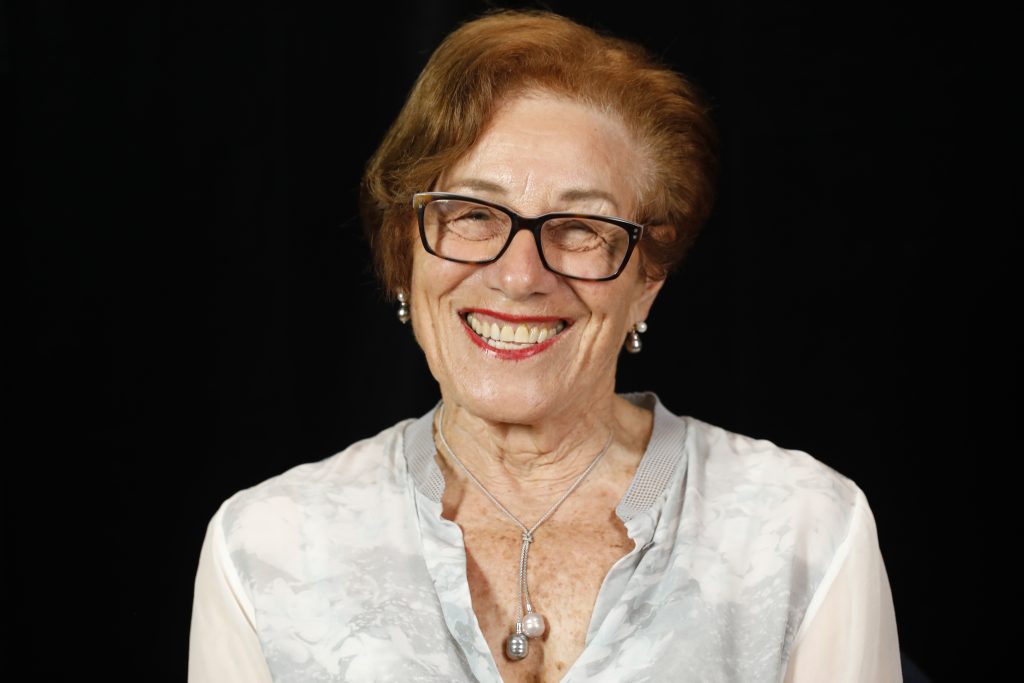
Mimi Wise
“I was born in 1937 in Milan, Italy.”
Read Mimi's story
“I was born in Milan, Italy in December 1937 to Lola and Chaim Goldman, and my brother Sam was born in Strasbourg in 1939.
Fearing German invasion in late August 1939, we moved to Périgueux in central France. From 1939-1943 my immediate family and I relocated several times, when finally in November 1943 we lived in Felletin, where my parents were warned that our family – being Jewish – was on a Gestapo list to be picked up.
Fortunately, we managed to escape and hide in a nearby forest for several days. We were able to obtain false identity papers with the new surname “Mai”. Sam and I found shelter with a farming family for several months until it became too dangerous for them to hide Jewish children.
In the meantime, our parents were helped by a man named Monsieur Bellegy in the tiny village of Arboureix. There we joined them finally. Returning to Strasbourg in 1945, we found our home was occupied and all our possessions stolen.
Our family left France and arrived in Sydney in January 1947. Having no knowledge of the English language, Sam and I attended school immediately. We had a good education and our family thrived through hard work and all the opportunities offered to us by this wonderful country, Australia.
I married Leon, also a Holocaust survivor and we now have three children and 11 grandchildren. My mother and I took part in the first Courage to Care exhibition in Armidale. That first experience was both overwhelming and very exciting, and I have continued to be part of Courage to Care since.
I have always felt that education is the key to understanding and the “tool” to imparting tolerance. ‘One person can make a difference’…my family is definitely an example of that.”
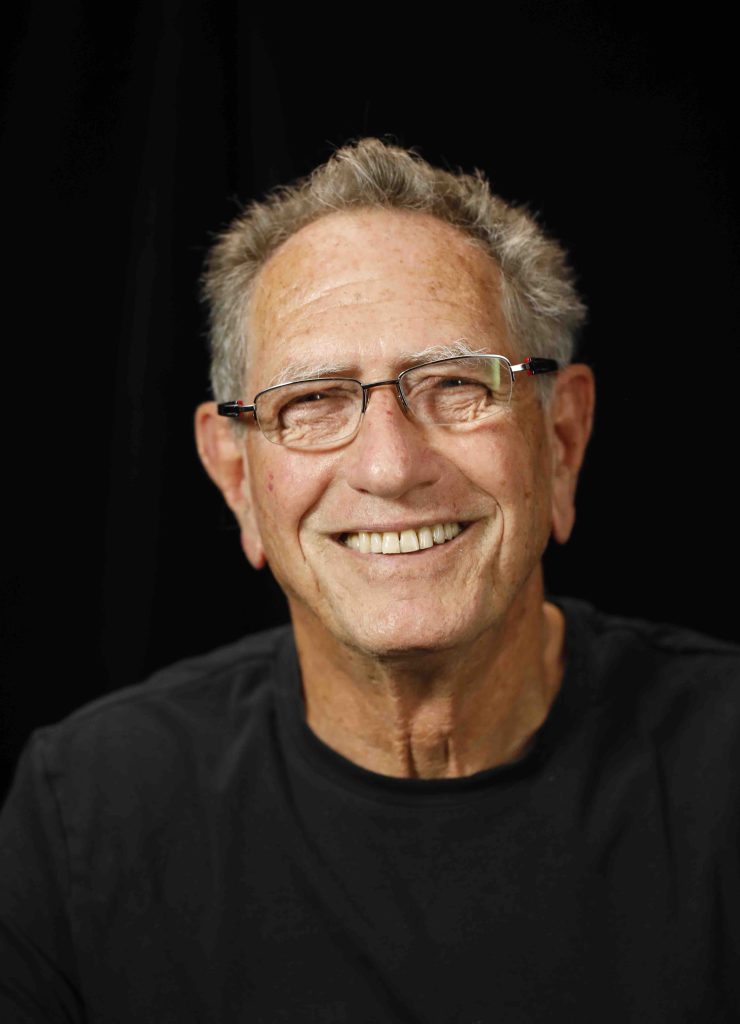
Peter Halas
“I was born in 1939 in Budapest about a month after the outbreak of WWII.”
Read Peter's story
“Hungary as an ally of Germany in the early years of the War was not affected. We had a relatively good and peaceful life. Around 1942, my Father was conscripted and sent to the Russian front as a labourer, as Jews were not allowed to carry weapons. He became a truck driver, which saved his life as those who had to work digging trenches and other manual jobs in the extreme cold with little clothing and food had little chance of survival. My Father’s two brothers perished in this way.
While my Father was starving in Russia, we lived in relative comfort until March 1944 when the Germans occupied Hungary and started the transportation of Jews to Auschwitz. My mother and I went into hiding, as did my Grandparents, my Mother’s parents, but in a different location.
In December 1944 it was my Grandfather’s birthday, so my mother decided to visit him. While she was visiting, the Hungarian Nazis raided the building they were hiding in, they took all the Jews and some of the non-Jews who were hiding them to the bank of the Danube River and shot them all.
When the people we stayed with heard of what had happened they became worried that it may happen to us, so the following morning one of the men took me on his shoulders and walked with me to the outskirts of Budapest – some 25 kms – and found a Christian family to take me in and look after me. This is how I survived the War.
About 2 months later, the Soviet and US troops liberated Budapest. My Grandmother – my Father’s Mother – found me eventually and took me to live with her. Around May or June, there was a knock on the door, and it was my Father standing there. He was skinny and sick, but alive – arriving back from the Bergen-Belsen concentration camp.
Life eventually returned to normal. I started school, my Father remarried and we had a pretty good family life until the communist takeover when life became very hard once again.
In 1956 the Hungarian revolution broke out against the Soviet regime, and it gave me an opportunity to escape. I arrived in Australia in 1957 at the age of 17, with no English, no family and little more than the clothes on my back.
Why am I telling you all this? Because I want to bring attention to the people who helped me survive. People who risked their own lives to save a little Jewish boy. They were not bystanders; they were Upstanders who had the courage to care.
Courage is to face bullies and stand up for what is right. They were able to make a difference. I hope my story serves as living proof of the difference people can make to another. To me: it meant life, literally. This was my story – and as we know, there were millions of others. And fortunately, through Courage to Care, the legacy of my experience and others like mine continues.”
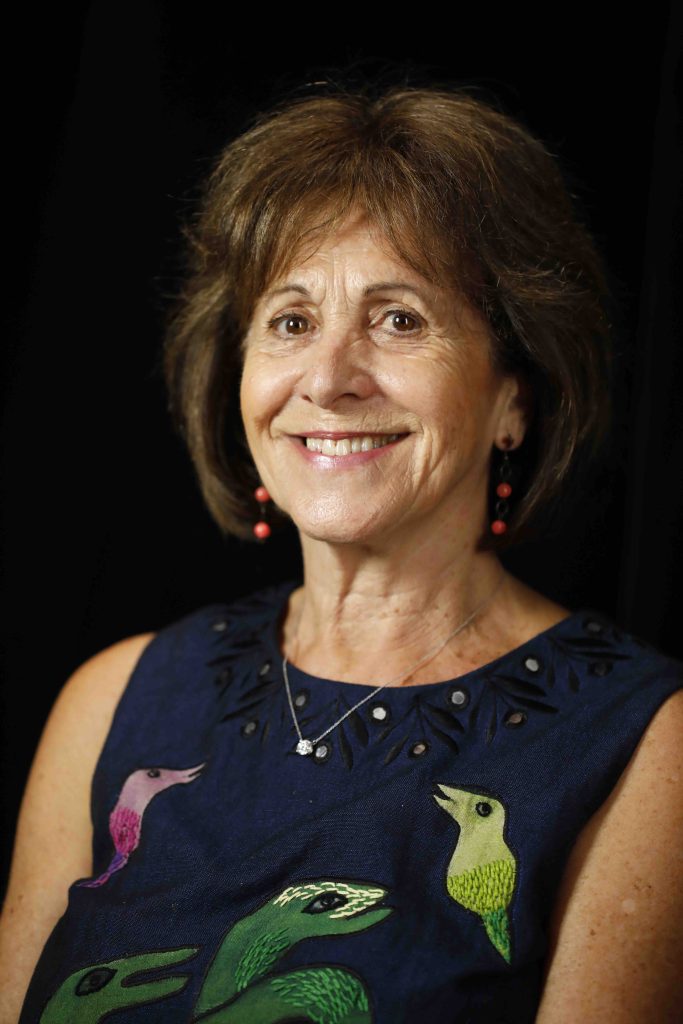
Yvonne Halas
“I was born in Budapest in 1942.”
Read Yvonne's story
“When I was two years old, we were in a small village in Hungary and my parents were directed onto a train going to a concentration camp. My father talked to a guard who seemed shocked by the efforts to put so many people in a cattle car with no facilities. So he essentially told my father to get off if he wanted to, but not to be seen or he would have to shoot.
So, my mother threw me off the train and at the second station flung herself off the train and she walked back to me. She then kept walking towards where the train had gone, hoping to find my father, but we never found him.
We left Hungary and came to Australia in 1948, after it became clear that my father would not return.
I heard about Courage to Care from a friend. I thought it was wonderful, especially because the bottom line was to help educate against discrimination and bullying.
I cannot abide cruelty to children, even by other children. I thought that if I can tell my story and I can help children understand that you should not bully other people, it is a good thing.
The response from the students is wonderful. I hope that the Courage to Care message to children has a lasting effect.”
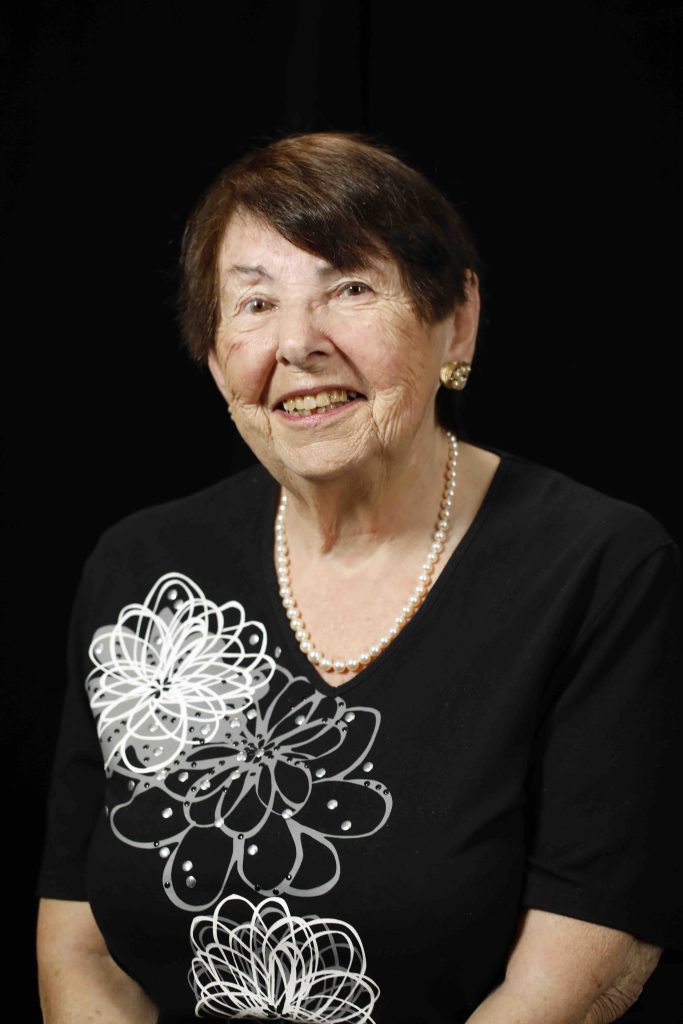
Rosie Haneman
“I was born in Belgium to Polish parents.”
Read Rosie's story
“I have a sister five years younger. I was seven years old when the Nazis invaded Belgium. My father decided we had to leave and perhaps make it to England.
With a few belongings we set off, marching all the way and sleeping on the ground. We did not realise that so many others would be doing the same. Sometimes when I see images on TV of people marching for their lives, I am reminded of that march.
During that march and crossing a field, we saw planes overhead dropping bombs all around us. We ran for shelter and found lots of soldiers inside; they were British soldiers also seeking shelter. We were told to go back home as there was no way to cross over to England. France and Holland had also been invaded.
We lived in a Jewish area and our street was filled with children, perhaps as many as 80. My parents decided it was not safe for us children there and put us in a convent in the country. For safety’s sake, we were baptised, given a new name, and a Godmother.
We spent nearly 3 years there, seldom seeing our mother. Our time there was spent going to church and confessing our sins. The convent was a teaching order, but only one nun taught us. These were harsh years, but if it were not for those nuns, priests, and Godmother, we would not have survived. They certainly had the courage to care.
Many priests and nuns were shot by the Nazis when they were found to be sheltering Jewish children. After the war, we found out that my sister and I were the sole child survivors of that street. In 1947 we arrived in Australia, to this wonderful country. I married and have four children. It was only in 2008 that I decided to tell my story and to join Courage to Care in its important mission.”
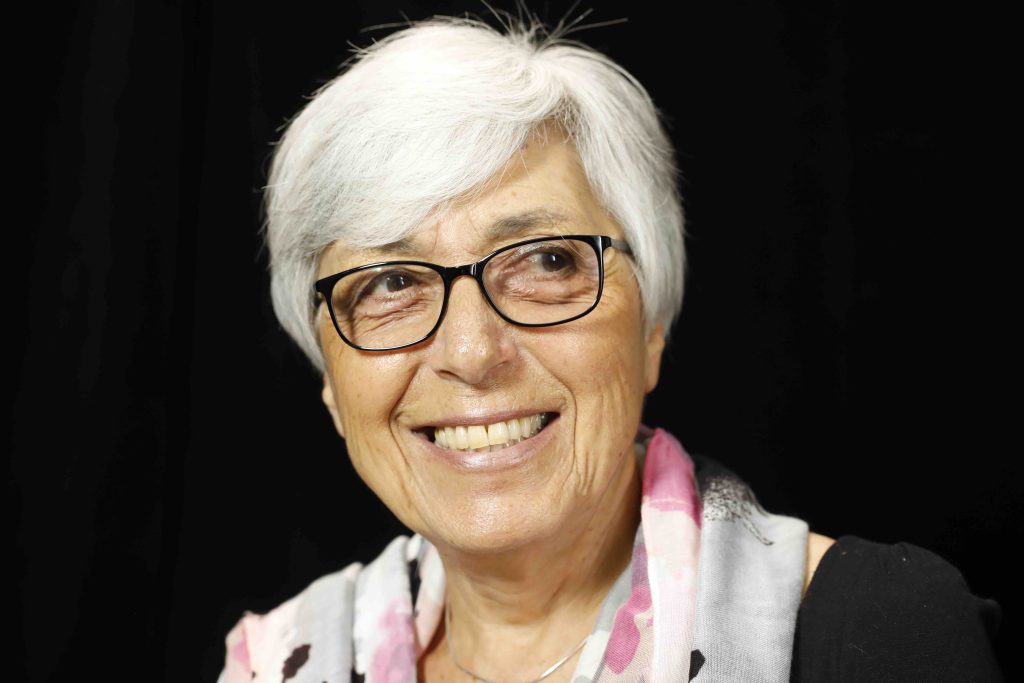
Judy Gyenes
“I was born in Hungary a month before Hitler invaded Budapest, in early 1944.”
Read Judy's story
“My father Oscar was executed by the Nazis in December 1944.
My mother and I survived with the help of Raoul Wallenberg’s Swedish protective pass.
His heroic efforts during the time of the Holocaust were truly astonishing.
I grew up in Hungary under the Communist regime. In 1972 I was fortunate to be able to emigrate to first New Zealand and then Australia, with my husband and four-year-old child.
Life as a refugee wasn’t easy – I didn’t speak any English and had no family support.
However, with my qualification as a draftswoman from Hungary, I was able to work for over 30 years and still found time for volunteering.
Courage to Care has a special place in my heart, because almost every one of us who survived the Holocaust, has been saved by a ‘righteous person’.”
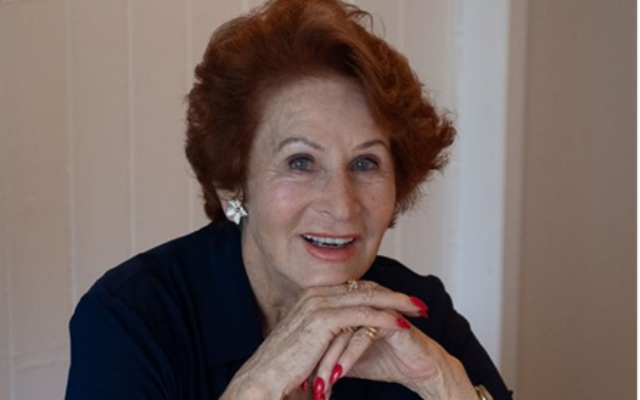
Suzi Smeed
“I was born Zsuzsanna Borbala Kalmar in 1942 in Budapest.”
Read Suzi's story
“I was just two years old when German Tiger tanks rumbled into Budapest on 19 March 1944 to entrench the Nazi occupation of Hungary.
My father was a successful textile merchant, but within weeks of the Nazis’ arrival, he was in a slave labour camp, while my mother and I were in the village of Papa with my grandparents. We were soon forced into a ghetto prior to being deported to Auschwitz.
But two days before the cattle trucks left for the death camp, my mother and I were smuggled out of the ghetto after a close family friend, Janos Okolichny, bribed the guards to let us go.
Sadly, my grandparents could not come with us, and a week later they arrived in Auschwitz where were sent straight to the gas chambers.
Thankfully, my father escaped from the labour camp and joined my mother and I back in Budapest. Our family were hidden by a good Christian friend, George Ola, in his mother’s empty apartment.
Someone heard us in what was supposed to be an empty apartment and reported it. Luckily George warned us and we had time to move out during the night.
We moved back into our apartment in Budapest, where our two servants were still
living. My parents thought I would be safer out of the way of the bombing, so they asked the servants to take me to the countryside, where I was left in the care of an orphanage. My parents remained in our apartment, hiding in the attic.
When the Russians liberated Budapest in January 1945, my parents set off to search for me. By pure luck they met a woman on a train who knew where I was – the orphanage had been disbanded and I had been passed onto six different families.
My parents finally found me in the care of an older lady on a farm, where I had been hidden in a barn. Most of my hair had fallen out and my head was covered in scabs, but I was alive!
Three years later, we again had to run for our lives hidden in the back of a mail truck to Vienna when my father was targeted by the communist regime. We escaped thankfully, and eventually immigrated to Australia.
Seventy-five years on, I live an active life in Queensland with my husband John. I joined Courage to Care in 2018 and regularly share my story of survival with Queensland school students. I am grateful for the many Upstanders who helped my parents and I survive the Holocaust and move to this great country that gave us safe haven and a wonderful new life.”
Make a Difference Today
Help us bring the testimony of Survivors to more schools and communities.
Your tax-deductible donation directly supports our ability to continue expanding our reach and impact.
Stay Connected
Subscribe to our community newsletter for occasional updates and to hear the latest news at Courage to Care NSW.